
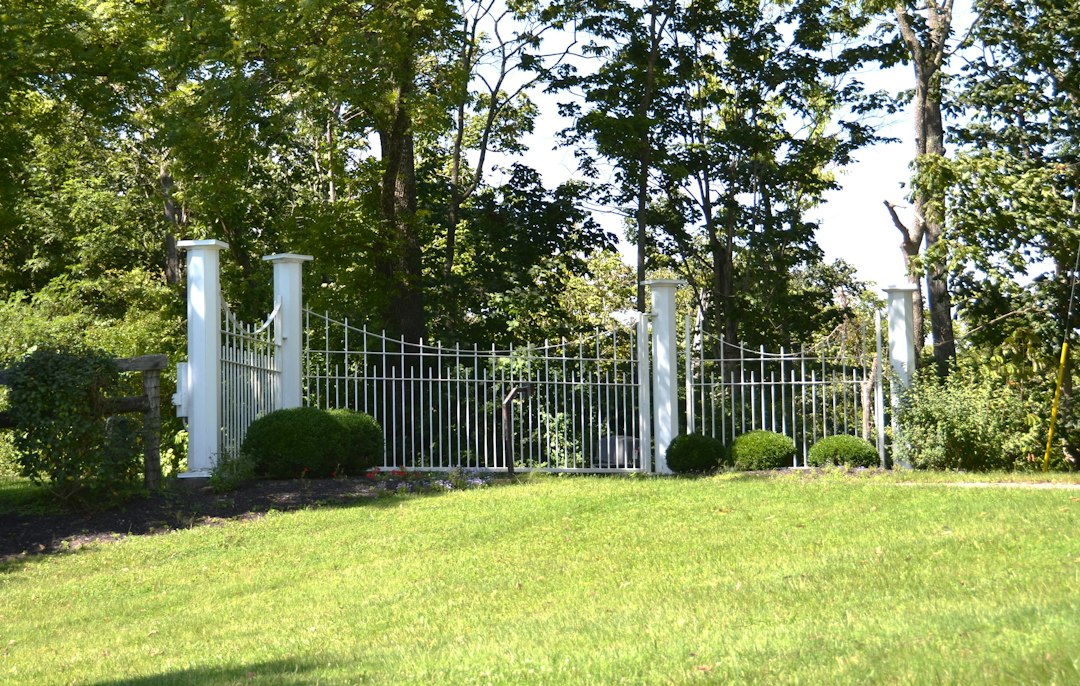
A well-designed fence does more than define a property line. It can strengthen privacy, improve security, enhance curb appeal, and create a polished boundary around residential or commercial spaces. Choosing experienced fencing contractors can make the entire process more organized, from selecting suitable materials to completing a clean installation. A professionally planned fence also helps ensure that the finished structure complements the property while addressing practical needs such as durability, access, and maintenance.
In This Article
- What Should Property Owners Consider Before Installing a Fence?
- Why Is Professional Fence Planning Important?
- How Does Material Selection Affect Fence Performance?
- Can a Fence Improve Property Privacy?
- How Can Fencing Contribute to Security?
- Does Fence Design Influence Curb Appeal?
- What Role Does Installation Quality Play?
- How Can Property Owners Make a Better Fencing Decision?
- Why Is Professional Guidance Valuable?
What Should Property Owners Consider Before Installing a Fence?
The first step is understanding the purpose of the fence. Some properties require additional privacy, while others may benefit from improved security, decorative appeal, or clearer boundary definition. The surrounding landscape, existing structures, gate locations, and property layout can also influence the design.
Professional planning allows these factors to be evaluated together instead of treating the fence as an isolated feature. This approach can result in a more functional and visually balanced installation.
Why Is Professional Fence Planning Important?
Fence installation involves more than placing posts and attaching panels. Accurate measurements, appropriate post spacing, suitable materials, terrain conditions, and property boundaries all influence the final result.
A carefully planned project reduces the possibility of uneven sections, unnecessary adjustments, or design choices that do not suit the property. Professional planning also creates a clearer installation sequence, helping the project move efficiently from preparation to completion.
How Does Material Selection Affect Fence Performance?
Fence materials have different characteristics, appearances, and maintenance requirements. Wood can provide a warm and traditional appearance, while metal options may create a more structured and contemporary look. Other materials can offer different combinations of durability, privacy, and visual flexibility.
The right selection depends on the property’s environment and the owner’s priorities. Considering weather exposure, desired appearance, maintenance expectations, and intended use before installation can contribute to better long-term satisfaction.
Can a Fence Improve Property Privacy?
Yes. Fence height, spacing, orientation, and material design can all influence privacy. A thoughtfully designed fence can create a more comfortable outdoor environment by establishing separation between neighboring properties, streets, or shared spaces.
Privacy does not necessarily mean choosing a completely solid design. Strategic layouts can provide seclusion while maintaining an attractive appearance and allowing the property to feel open rather than enclosed.
How Can Fencing Contribute to Security?
A properly designed fence creates a defined physical boundary that can help control access and make property limits more apparent. Gates and entry points can be integrated into the overall design to support convenient movement while maintaining a clear perimeter.
Security-focused fencing should also consider visibility, structural strength, gate placement, and the specific needs of the property. A professional assessment can help identify the most practical approach.
Does Fence Design Influence Curb Appeal?
Absolutely. A fence is often one of the first exterior features people notice. Its color, texture, height, spacing, and overall style can either complement or compete with the property’s architecture.
A coordinated design can give a home or commercial space a more finished appearance. Thoughtful details around gates, corners, landscaping, and entrances can further improve visual continuity.
What Role Does Installation Quality Play?
Installation quality has a direct effect on how a fence looks and performs over time. Proper alignment, secure posts, consistent spacing, and careful finishing contribute to a stable and professional result.
Even high-quality materials may not deliver their intended performance if installation is rushed or poorly planned. This is why workmanship should be considered alongside material selection when evaluating a fencing project.
How Can Property Owners Make a Better Fencing Decision?
Start by identifying the property’s primary needs, then consider design preferences, environmental conditions, maintenance expectations, and future use. Reviewing these factors before construction can make the selection process much more straightforward.
A successful fencing project combines practical performance with visual appeal. When planning, materials, installation, and property requirements work together, the result can provide a dependable boundary that supports the property’s character for years to come.
Why Is Professional Guidance Valuable?
Every property has different dimensions, surroundings, and functional requirements. Professional guidance helps transform those differences into a practical fencing solution rather than relying on a one-size-fits-all approach.
From initial planning through final installation, attention to detail can make a meaningful difference. A well-executed fence should feel like a natural extension of the property—secure, attractive, purposeful, and built with long-term performance in mind.
What You Need to Know
- A well-designed fence can enhance privacy, improve security, and boost curb appeal around properties.
- Choosing experienced fencing contractors helps ensure a clean installation and suitable material selection.
- Fence installation requires careful consideration of measurements, materials, terrain, and property boundaries to avoid design issues.
- Material selection impacts the durability, maintenance, and aesthetics of a fence, varying significantly by the environment and owner preferences.
- A thoughtfully designed fence can improve property privacy without necessarily being solid, allowing for an open environment.
- Installation quality is crucial for both the appearance and performance of a fence over time, requiring careful attention to detail.


